Choosing isolation tweezers
Every set starts with isolation, and the choice between straight and curved is mostly about how you sit and how you see.
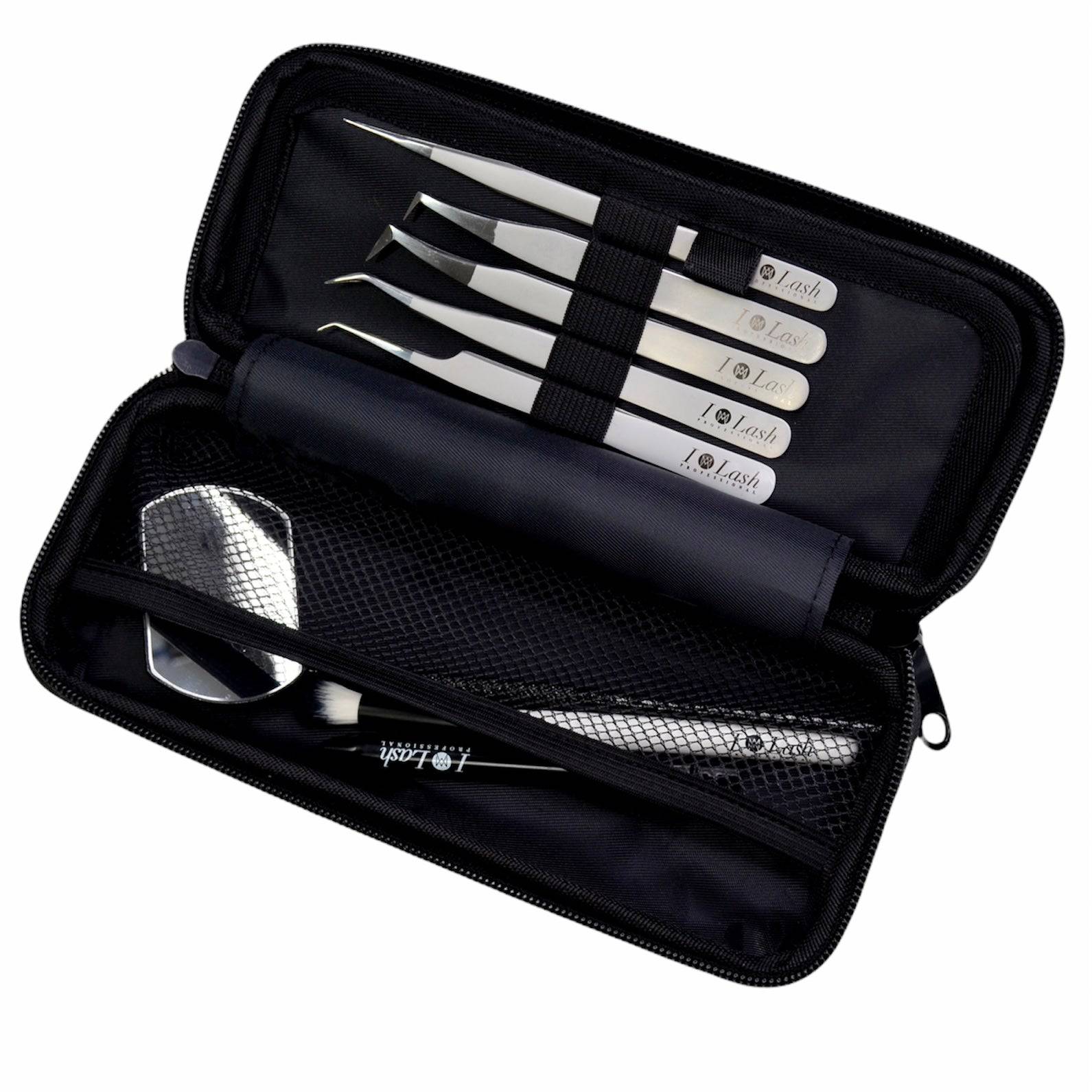
Straight isolation tweezers give you the most direct line to the lash and the cleanest view down the shaft. They suit artists working from the twelve o'clock position and anyone who prefers to isolate by lifting rather than by sliding underneath.
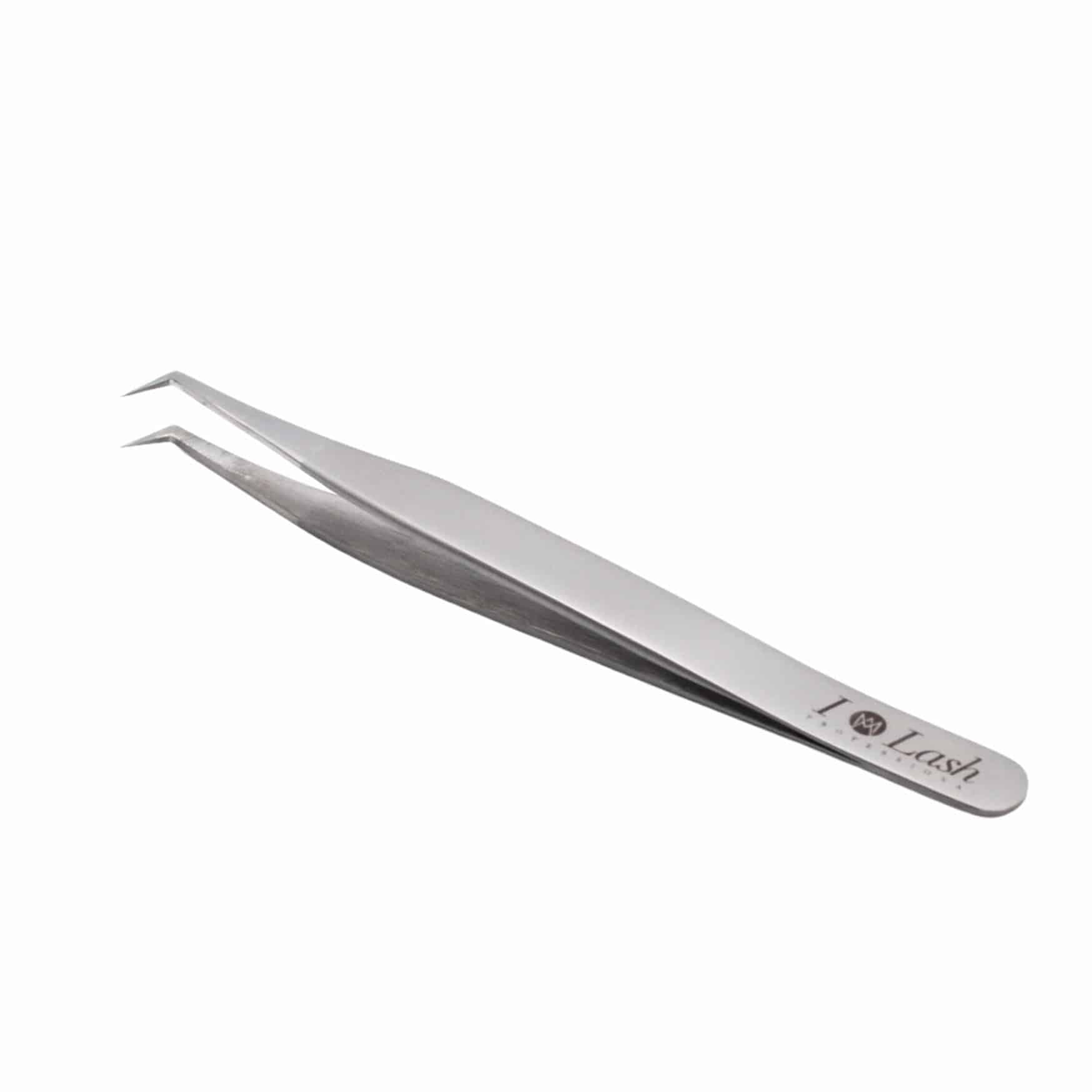
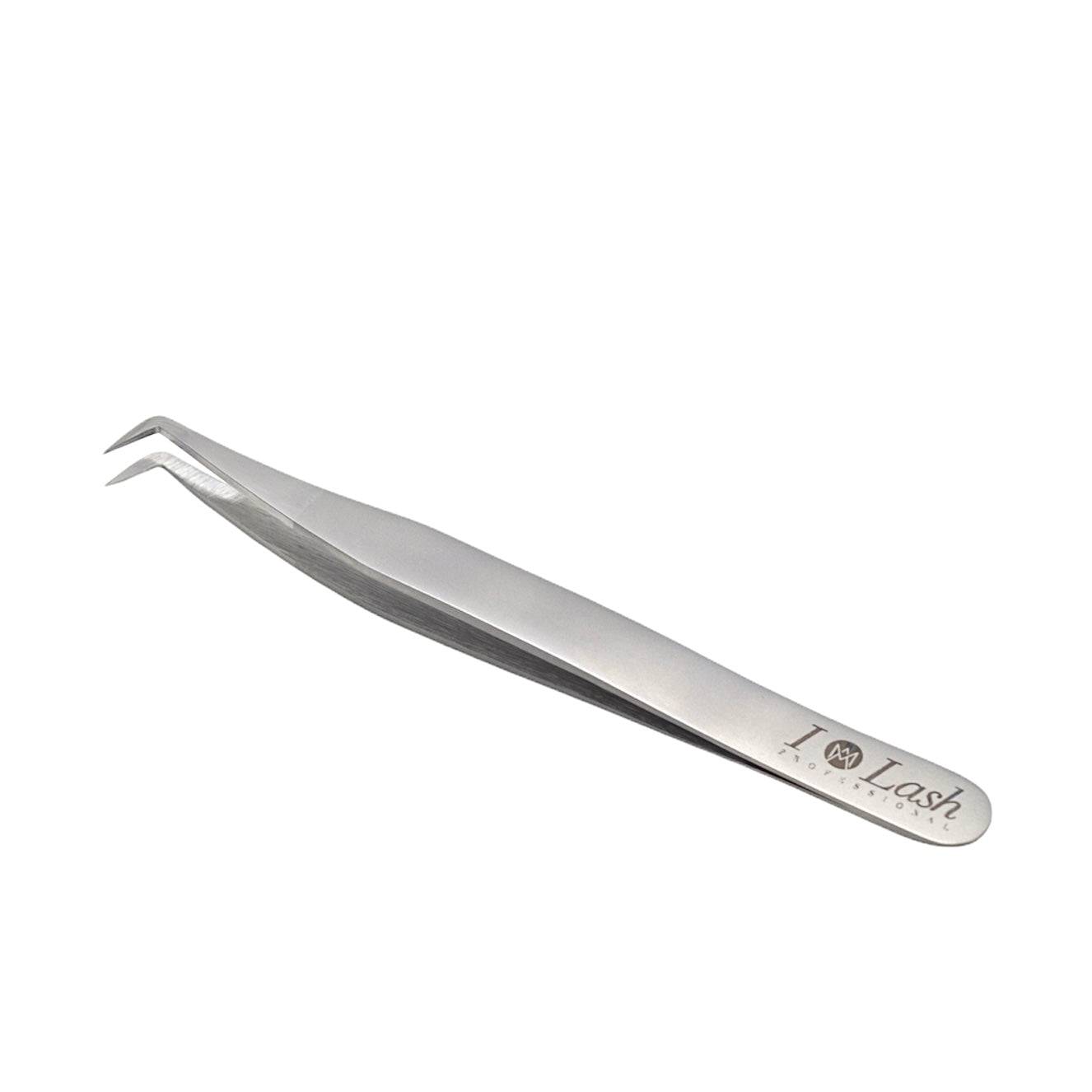
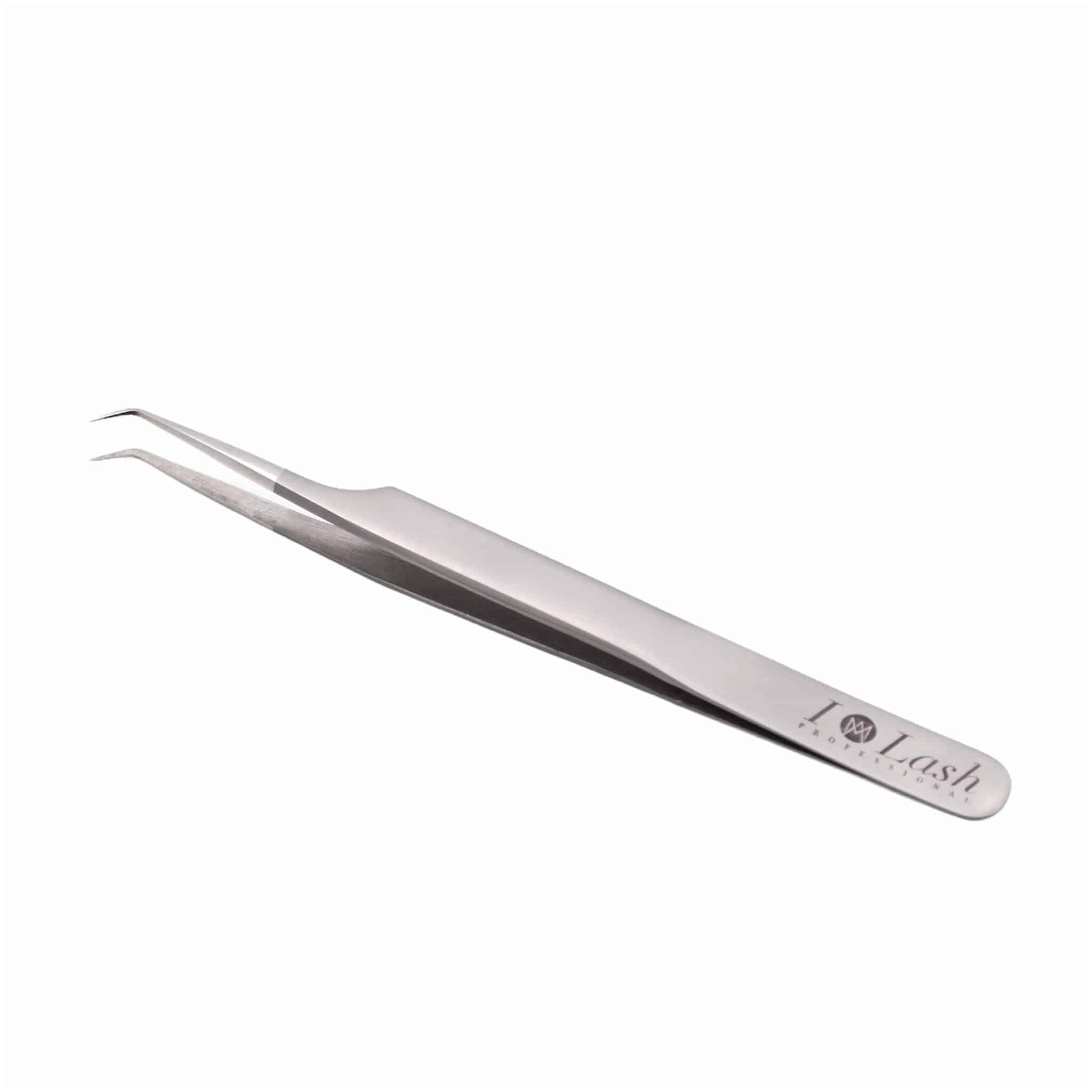
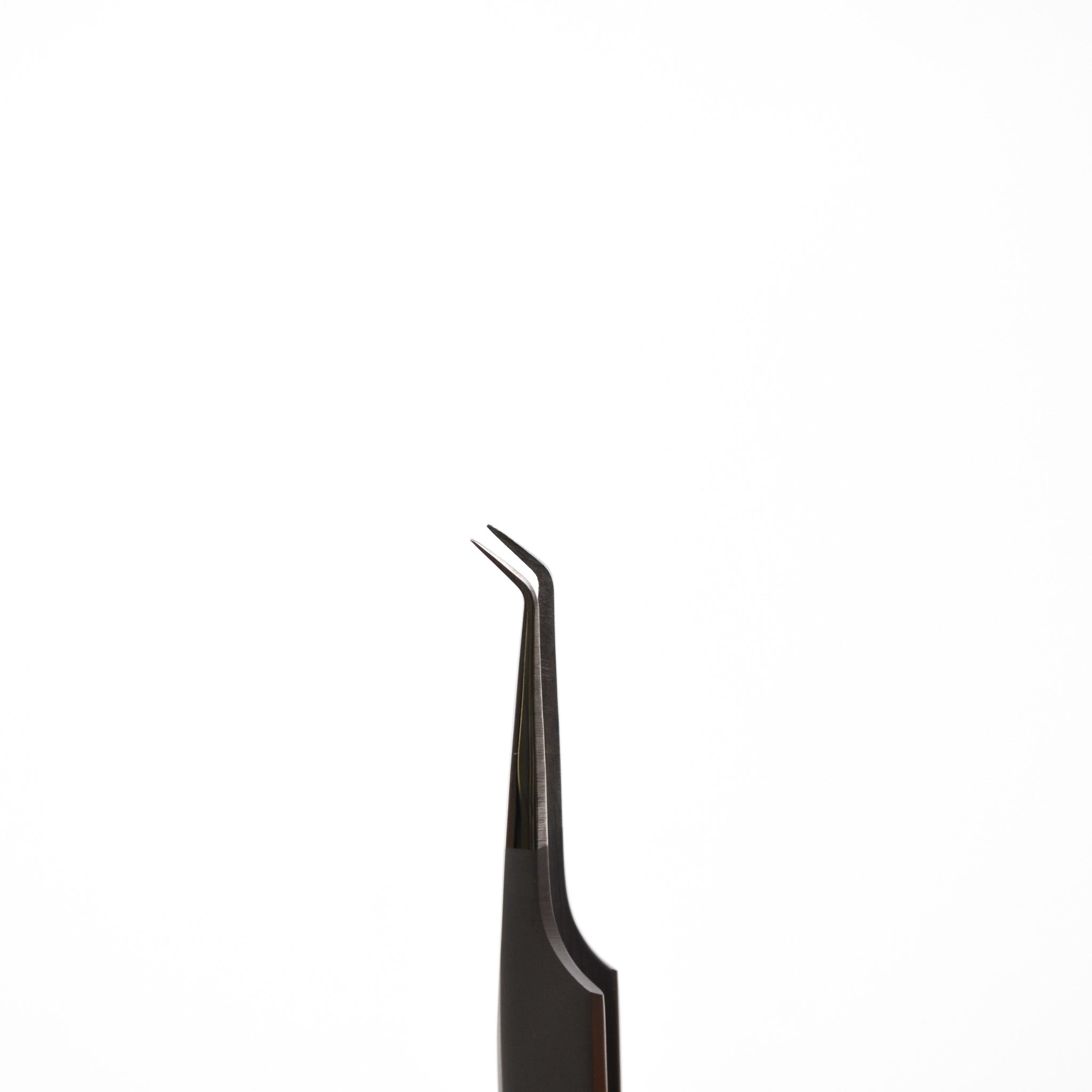
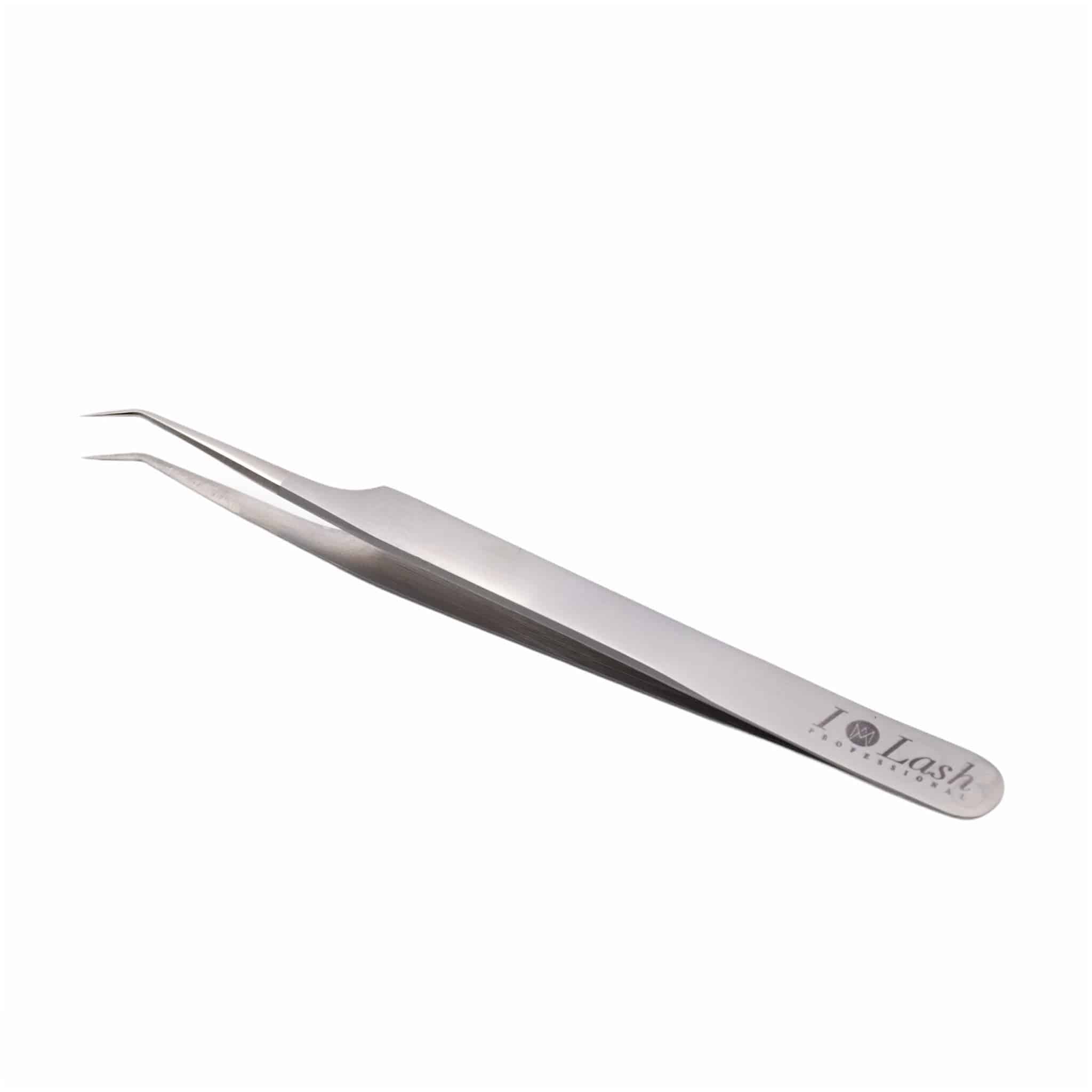
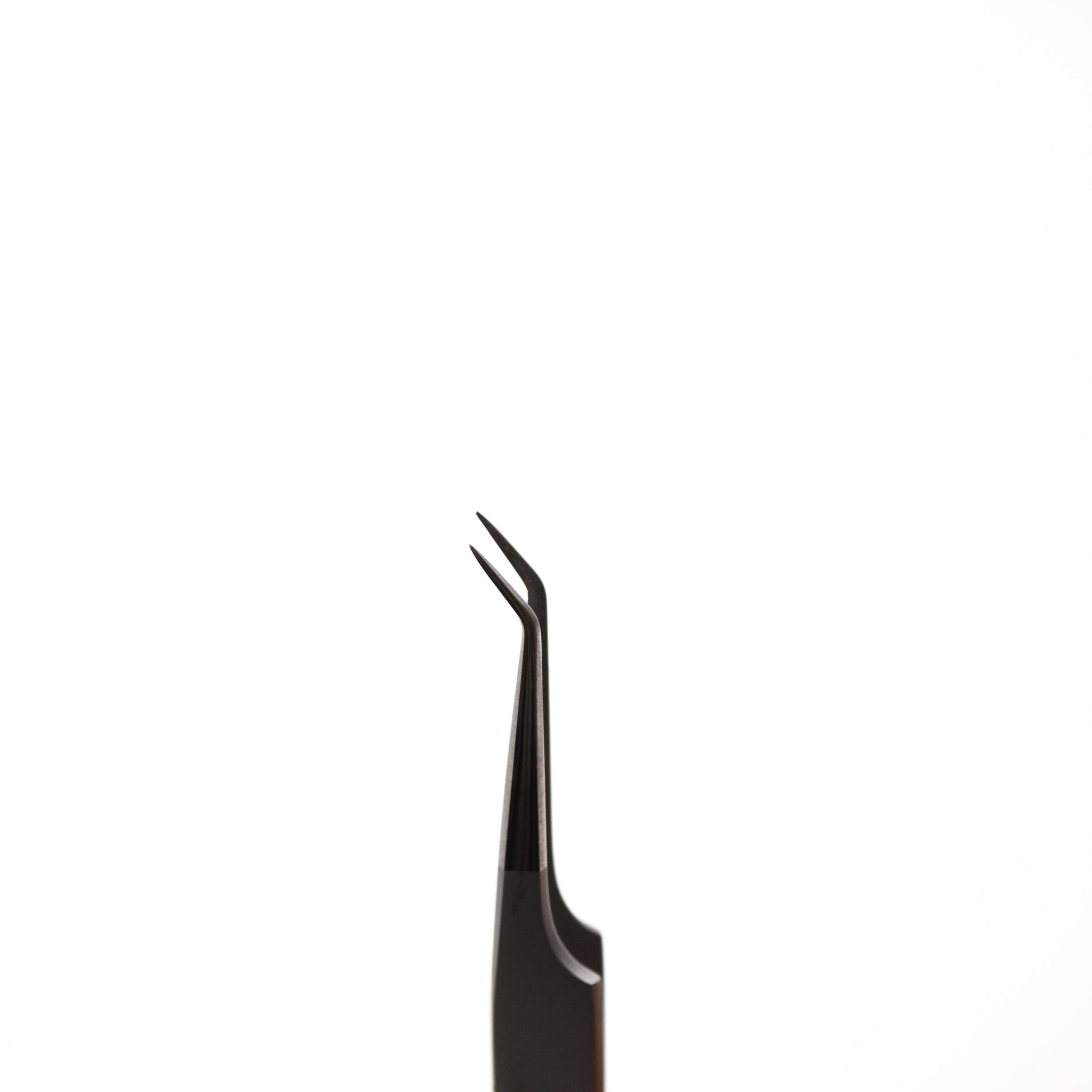
Curved isolation tweezers let you approach the lash line at an angle without rotating your wrist, which is why artists working from the side tend to prefer them. They're also easier on the hand across a long day.
Angled and 30-degree tweezers are the middle ground, and often the first ones an artist reaches for when straight feels too upright and curved feels too committed.
Choosing placement tweezers
The tweezer in your other hand — lifting the extension from the strip and setting it on the lash you've isolated. It does as much of the work as the isolation tweezer, and it's the one most often chosen out of habit rather than fit.
What matters is the tip. It has to hold a single extension securely enough to carry it from strip to lash, and release cleanly when you withdraw. Straight, curved and angled all work, and the choice follows your sightline and seating position exactly as it does for isolation — which is why a good many artists settle on an angled or curved-tip tweezer, so they can still see the base of the lash while placing.
If you work classic sets, this is the tweezer worth spending real time choosing. It's in your hand for every single lash.
What I use: the Pro Curved. The slight curve gives you the angle to pick a classic extension cleanly and then place it at the angle you actually wanted, rather than the one the tweezer allows. The longer tip is what makes that controllable. Slightly curved with a longer tip is the combination I keep coming back to. — Arune
Choosing volume tweezers
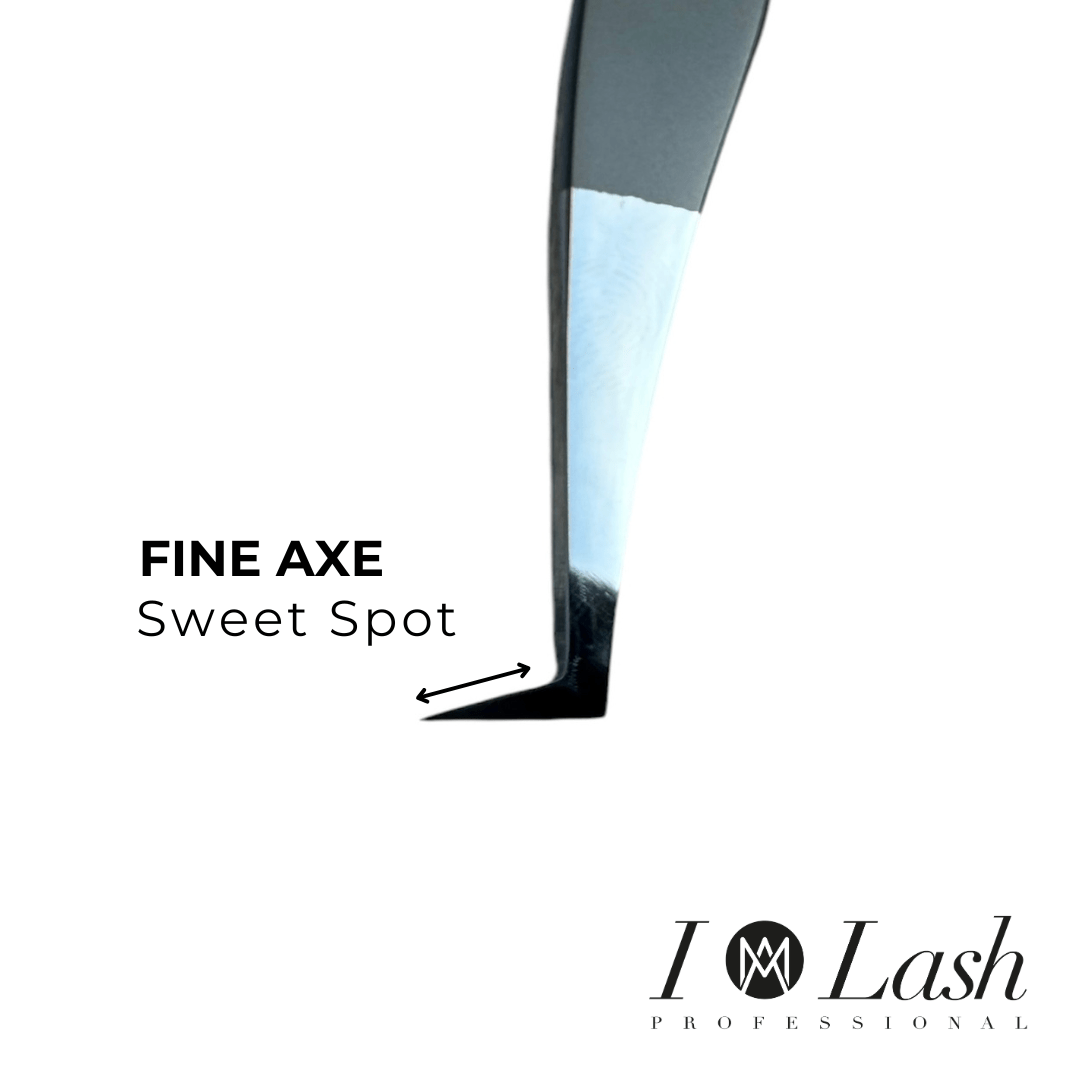
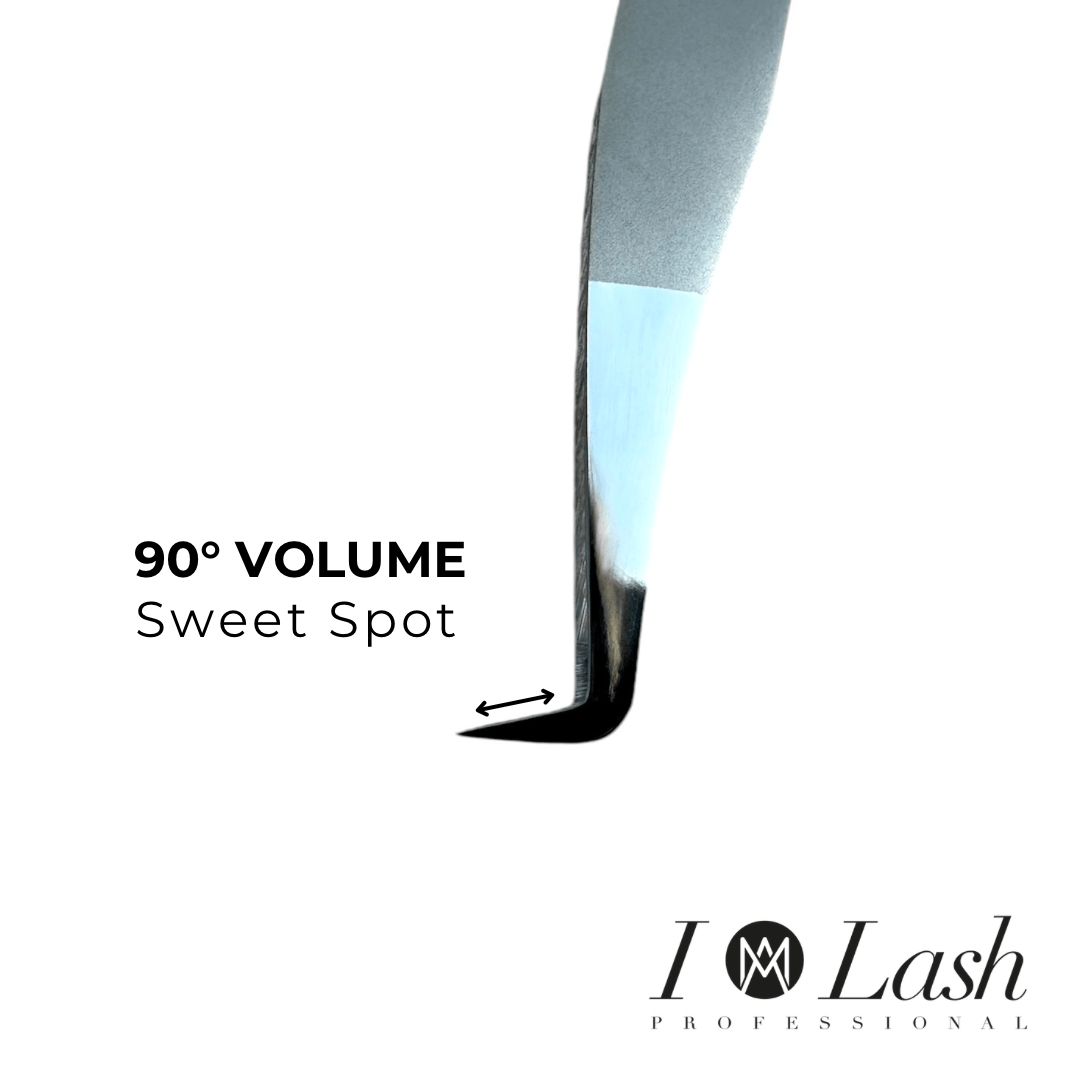
Volume tweezers are chosen by how they hold a fan, not by shape alone. The sweet spot — the length of grip surface where the tips meet — is what decides whether a fan survives the trip from strip to lash.
Axe tweezers, fine or flat, give a long sweet spot and suit artists making wider fans. Boot tweezers offer a shorter, more precise grip for smaller, denser fans. 90-degree tweezers are the versatile one — precise, with a strong hold right across the range, from a narrow fan to a very wide one.
Worth reading before you choose:
I AM Lash PRO supplies professional lash artists across the UK. Trade only.